 By:
By: 
The short answer: it depends on the model. Importing a car to Portugal in 2026 pays off on premium cars, electrics and plug-in hybrids: in a typical calculation, a €20,000 car from Germany comes to about €24,400 with transport, import tax (ISV) and legalization — versus €30,000 at a Portuguese dealer. On a common, cheap city car, a €1,000–2,000 price gap vanishes once costs are added. Below: the full calculation, the three deciding factors and when importing is not worth it.
When importing to Portugal pays off (and when it does not)
The golden rule: importing pays off when there is a meaningful price gap between Portugal and Germany for that specific model. That mostly happens here:
| Worth importing | Rarely worth it |
|---|---|
| Premium and high-end cars: BMW 3/5 Series, Mercedes C/E-Class, Audi A4/A6, Volvo XC60/XC90 and large SUVs. The gap to the Portuguese market is around €4,000 to €10,000. | Cheap city cars: Renault Clio, Peugeot 208, VW Polo, Fiat 500. The PT/DE price gap is small (€1,000 to €2,000) and vanishes once costs are added. |
| Fully electric: exempt from ISV. The most advantageous segment, with savings of €6,000 to €15,000 on some models. | Large-displacement diesels: the diesel surcharge and environmental component can inflate ISV enough to cancel the saving. |
| Plug-in hybrids (PHEV): they get a 75% reduction on the environmental component of ISV, keeping the tax low. | Very recent cars (under 1 year): the age-based ISV reduction is minimal (10%), so the tax stays high. |
| Rare or specific configurations: trims, engines or options that are hard to find in Portuguese dealerships. | Final saving below €2,000: not worth the effort and risk. |
Example: €24,400 imported versus €30,000 at a dealer
A typical case: a premium SUV/sedan that costs €30,000 at a dealership in Portugal sells for €20,000 in Germany. The costs add up like this:
| Cost | Amount |
|---|---|
| Car price in Germany | €20,000 |
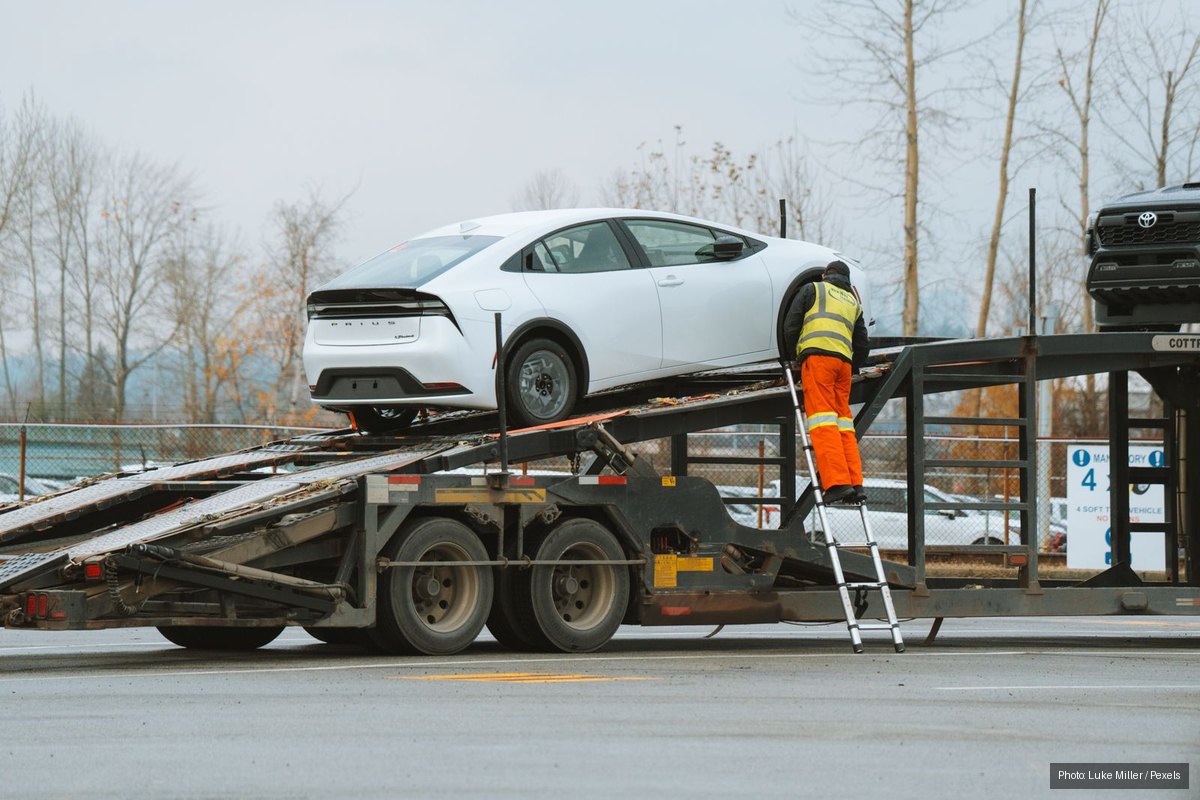
| Truck transport to Portugal | ~€800 |
| ISV (after the age reduction on a ~5-year-old car) | ~€2,800 |
| Legalization and fees (inspection, registration, COC) | ~€800 |
| Total import cost | ~€24,400 |
The gap is around €5,600 — and that is a conservative example: on electrics, which are exempt from ISV, it is bigger. The exact tax varies with displacement, CO2 and fuel — run your case through our ISV calculator before deciding. Our Chrome extension also shows ISV directly on mobile.de listings.
Three factors: ISV, IUC and the price gap
ISV — a one-off tax paid at registration
The biggest line in the bill. It is based on two components — displacement and environmental (CO2 WLTP) — plus a diesel surcharge of around €500. An age reduction then applies: from 10% up to 1 year to 80% on cars over 10 years old. Electrics are exempt, PHEVs get −75% and hybrids −40%. See the exact figure in our ISV calculator.
IUC — an annual tax, separate from ISV
Paid every year the car is registered. It is not part of the import cost, but it belongs in your long-term math — check the estimate with our IUC calculator.
The PT vs DE price gap
Factor number one: without a real price differential for that model, no margin survives the costs. Age (older = bigger ISV discount) and CO2 (lower = less ISV) complete the equation.
Risks: mileage, deadlines and a badly estimated ISV
Buying remotely without an inspection can hide mechanical or mileage problems; legalization has legal deadlines and paperwork; and a badly estimated ISV eats the whole gap. So before buying: an independent inspection and a realistic ISV calculation. If you would rather avoid those risks, our import-to-order service handles everything, from the German auction to Portuguese registration. And if you have a car to trade in, we can buy your car.
Frequently asked questions
How much do you save on average by importing a car?
It depends on the model. In our calculations, on premium, electric and PHEV cars the gap is usually €5,000–12,000; on cheap city cars it is close to zero.
Is it worth importing an electric car in 2026?
It is the most advantageous segment: electrics are exempt from ISV and the PT/DE price gap is large.
Does importing a diesel still pay off?
It depends. A moderate-displacement, low-CO2 diesel can pay off, but the ~€500 surcharge and environmental component push ISV high on big engines and cancel the gap.
How much does legalization cost and how long does it take?
Around €500–800 (inspection, registration, paperwork and COC); the full process usually takes a few weeks. See the step-by-step in how to legalize an imported car.
Is it worth it on a car under €15,000?
Generally no: at those values the PT/DE gap is small and the fixed costs (transport, ISV, legalization) eat it up.
Conclusion and next step
In 2026, importing pays off on the right models — premium, electric and PHEV. The key is to run real numbers before deciding: start with our ISV calculator and browse our car catalog. If the numbers add up, there is Clara Cars' import-to-order service — we handle everything for you. The full process is in our guide on how to import a car from Germany in 2026.